

Meta Description:
Discover the whole thing about Albania, the Land of Eagles. This comprehensive manual covers Albania’s historic Illyrian records, beautiful Adriatic and Ionian coasts, UNESCO sites like Berat and Gjirokastër, vibrant culture, booming tourism (11.7 million visitors in 2024), and sensible tour tips. Whether making plans for your first ride or getting to know approximately Albania’s transformation, find data, facts, and insider advice in this 2500-word manual.
Table of Contents
About Albania: Exploring the Land of Eagles
Introduction
Nestled among the Adriatic and Ionian Seas in Southeast Europe, Albania is one of the continent’s most fascinating yet underexplored locations. Often referred to as the “Land of Eagles,” this Balkan country gives an ideal combination of dramatic mountain landscapes, pristine seashores, rich history, and warm hospitality that continues to marvel vacationers. If you’re trying to find everything about Albania, you’re within the proper area.
From its Illyrian roots and Ottoman historical past to its communist beyond and first-rate present-day rebirth, Albania is a country of contrasts and hidden treasures. In 2024 alone, over eleven. 7 million global visitors flocked right here, marking it as one of the globe’s fastest-developing tourism hotspots. Whether you’re attracted to UNESCO-listed historic cities, the turquoise waters of the Albanian Riviera, or the rugged Albanian Alps, this manual exhibits why Albania merits a pinnacle spot on your travel listing.
Albania’s rich history
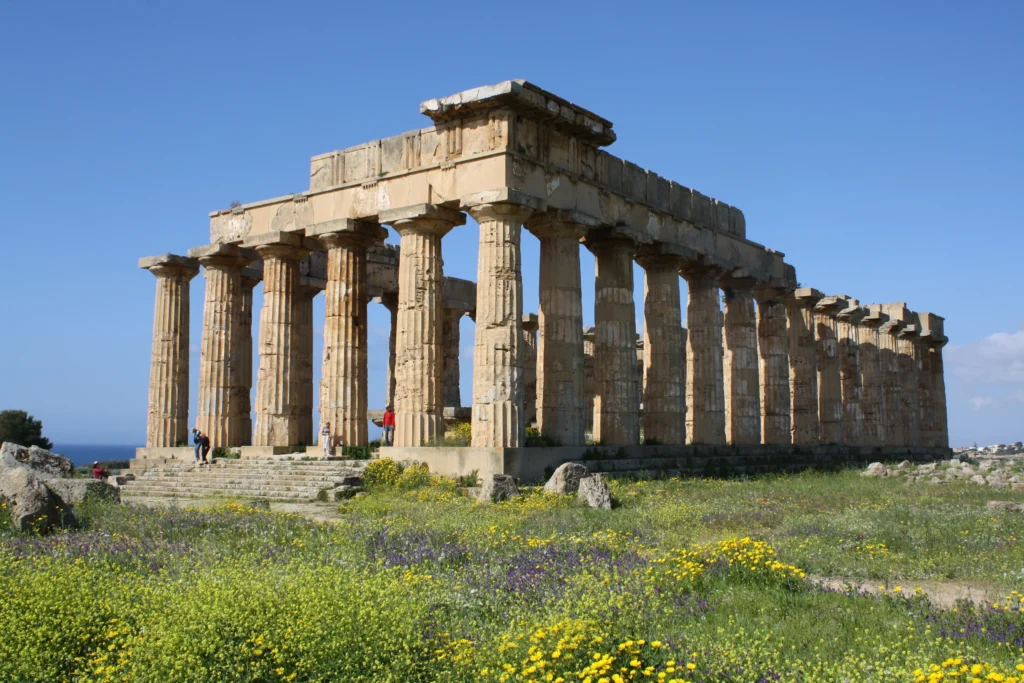
The history of Albania goes back more than 4000 years. Its people proudly trace their roots to the ancient Illyrian people, who settled the area around 2000 BC. Roman, Byzantine, and later Ottoman rule shaped the country’s identity.
Important historical periods:
- Antiquity and Middle Ages: Illyrian tribes and Greek colonies such as Apollonia and Butrint flourished. Skanderbeg (Gjerg Kastrioti) became a national hero in the 15th century by resisting the Ottoman invasion for more than 25 years.
- Ottoman rule (15th–20th century): Albania remained under Ottoman control for approximately 500 years, leading to widespread Islamization while preserving unique cultural elements.
- Independence and Monarchy: Albania declared independence in 1912. Between the world wars, it became a kingdom under King Jog I.
- Communist Era (1946–1991): Under Enver Hoxha, Albania became one of the world’s most isolated countries—a self-proclaimed atheist state filled with more than 700,000 concrete bunkers.
- Modern Democratic Albania: After 1991, the country transitioned to democracy, joined NATO in 2009, and began negotiations to join the EU in 2022.
Today, Albania’s history is visible everywhere—from UNESCO-listed castles in Berat and Gjirokast to Cold War bunkers turned museums such as Bunk’Art in Tirana.
Geography and Natural Beauty of Albania
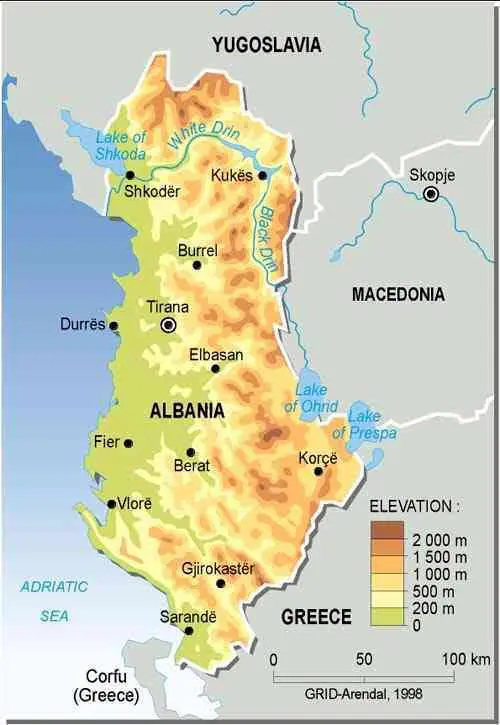
About 70% of Albania is mountainous, earning it the nickname “the Switzerland of the Balkans.” The North Albanian Alps (Prokletije) provide dramatic peaks, deep gorges, and crystal-clear rivers best for hiking and adventure tourism.
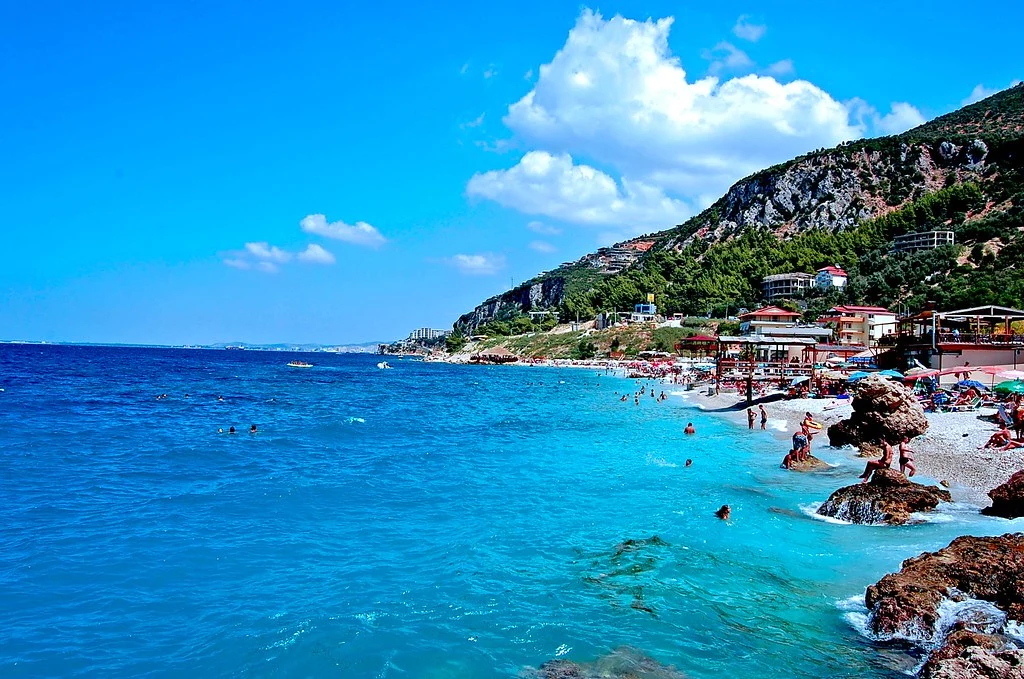
The 476 km coastline features the famous Albanian Riviera with turquoise waters in Ksamil, Sarandë, and Vlorë—often in comparison to the Greek islands but a long way less crowded. Inland, you’ll locate Lake Shkodër (Europe’s biggest on the Balkan side), Lake Ohrid (shared with North Macedonia and a UNESCO site), and the wild Vjosa River, certainly one of Europe’s last unfastened-flowing rivers.
Climate: Mediterranean alongside the coast (hot, dry summers) and continental inside the mountains (cold)
Culture and Traditions in Albania
Albanian tradition is described with the aid of robust family ties, the ancient code of Besa (honor and hospitality), and a completely unique language unrelated to every other important European tongue.
Albanians name themselves Shqiptarë (“sons of eagles”) and their use of a Shqipëria. Traditional track consists of UNESCO-listed iso-polyphony—haunting multi-voice making a song. Cuisine blends Mediterranean, Ottoman, and Balkan effects: try tavë kosi (baked lamb with yogurt), byrek (savory pie), or clean seafood.
Religion is secular and tolerant: kind of 50% Muslim, 16% Christian, and plenty of non-non-secular. Festivals like Summer Day (Dita e Verës) on March 14 have a good time with nature and renewal with national picnics.
Must-experience cultural highlights:
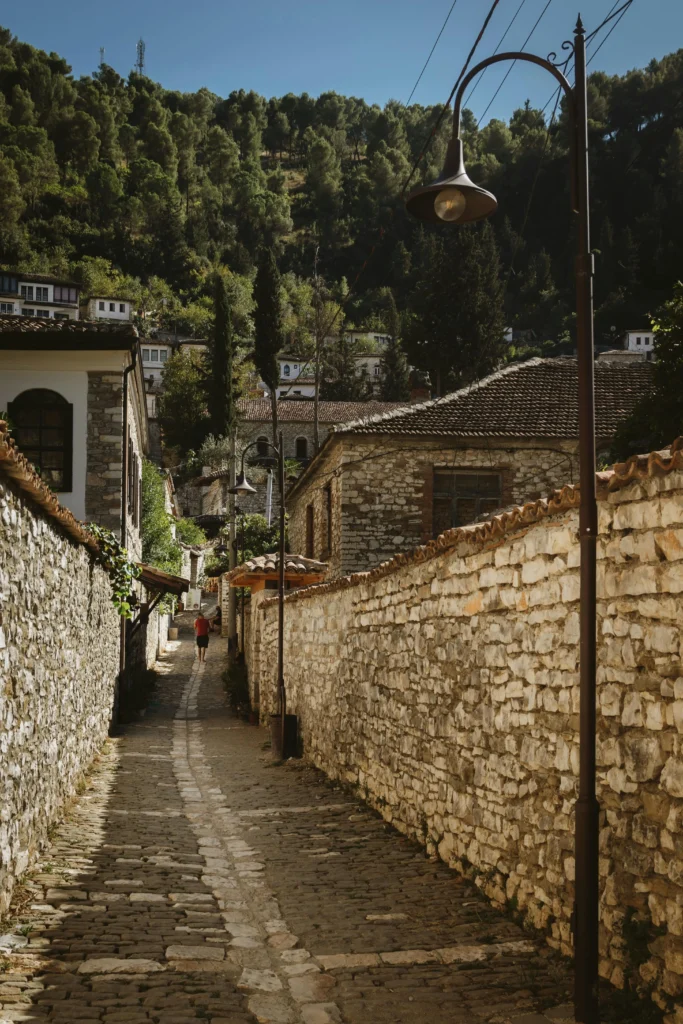
- Walk the cobbled streets of UNESCO-indexed Berat (“City of a Thousand Windows”).
- Visit Gjirokastër’s Ottoman-era stone homes.
- Enjoy Tirana’s colorful Blloku district and colorful café tradition.
Economy and Modern Albania
Albania is an upper-center-profits country with a developing, carrier-primarily-based financial system. Tourism now contributes notably, generating billions in sales and helping loads of heaps of jobs. In 2024, vacationer spending reached about €five billion.
Key sectors consist of electricity (hydropower), oil and chromium mining, agriculture, and production. The capital, Tirana, is a modern hub with elegant architecture, avenue art, and a younger, entrepreneurial populace. Albania maintains its journey closer to complete EU integration at the same time as keeping its actual allure.
Top Attractions and Things to Do in Albania
Coastal Highlights:
- Kasmil and Sarande beaches
- Blue Eye Natural Waterfall
- Logra Pass for epic views
Mountain adventure:
- Theth and Valbona National Parks (hiking in the “cursed mountains”)
- Boat trip to Lake Comani
Cultural and historical sites:
- Butrint Archaeological Park (UNESCO)
- Tirana’s Skanderbeg Square and Athem Bey Mosque
- Apollonia and Durrës Amphitheater
Off the beaten track: Explore communist bunkers or go wine tasting in the south.
Albanian food and local experience
No trip to Albania is complete without trying the local specialties. From mountain herbs to coastal grilled fish, the food at Firgessee is fresh, delicious, and affordable. The coffee culture is huge—expect to spend hours in lively cafes.
Practical travel tips for Albania
- Visa: Most EU, US, UK, and Schengen citizens can enter visa-free for 90 days.
- Currency and Payments: Play is preferred in rural areas; cards are accepted in cities.
- Getting around: Buses are cheap; taxis and rental cars are practical.
- Safety: Albania is generally very safe for tourists.
- Best time: Avoid summer crowds in spring and autumn.
Conclusion
Albania offers an unbeatable blend of herbal splendor, captivating history, vibrant subculture, and true warm temperatures that few locations can match. From the soaring Albanian Alps to the solar-soaking wet Riviera and historic stone cities, that is a rustic that rewards every traveler who discovers it. As tourism maintains its document-breaking growth, now could be the appropriate time to enjoy real Albania earlier than the crowds fully arrive.
Ready to plan your journey? Comment below with your pinnacle Albania bucket-list object, share this guide with fellow vacationers, and check out our related posts: Best Beaches in Albania and Hidden Gems of the Albanian Alps. Subscribe for extra Balkan tour concepts!
FAQ Section
1. What is Albania maximum famous for?
Albania is famous for its stunning shoreline, UNESCO World Heritage sites (Berat, Gjirokastër, Butrint), dramatic mountains, and warm hospitality. It’s also called the Land of Eagles for its fast transformation from isolation to one of Europe’s freshest tour locations.
2. Is Albania secure for tourists in 2026?
Yes. Albania is taken into consideration very safe for vacationers. Petty crime is low, and locals are famously welcoming. As with any destination, well-known precautions are practiced.
3. How many travelers go to Albania every year?
In 2024, Albania welcomed approximately eleven. 7 million overseas site visitors—nearly double pre-pandemic degrees—making it one of the fastest-growing tourism locations globally.
4. Do I need a visa to go to Albania?
Citizens of the EU, UK, US, Canada, Australia, and many other countries can visit visa-free for as much as ninety days. Check the reputable Albanian Ministry of Foreign Affairs internet site in your nationality.
About The Author