

Meta Description:
Discover the whole thing about Algeria in this complete 2500-phrase guide. Explore the full-size Sahara Desert, ancient Roman ruins, colorful Berber-Arab way of life, oil-driven economic system, and need-to-go UNESCO sites. From records and traditions to journey tips and financial insights, study why Algeria is North Africa’s hidden gem for tourists and curious minds in 2026.
Table of Contents
Introduction
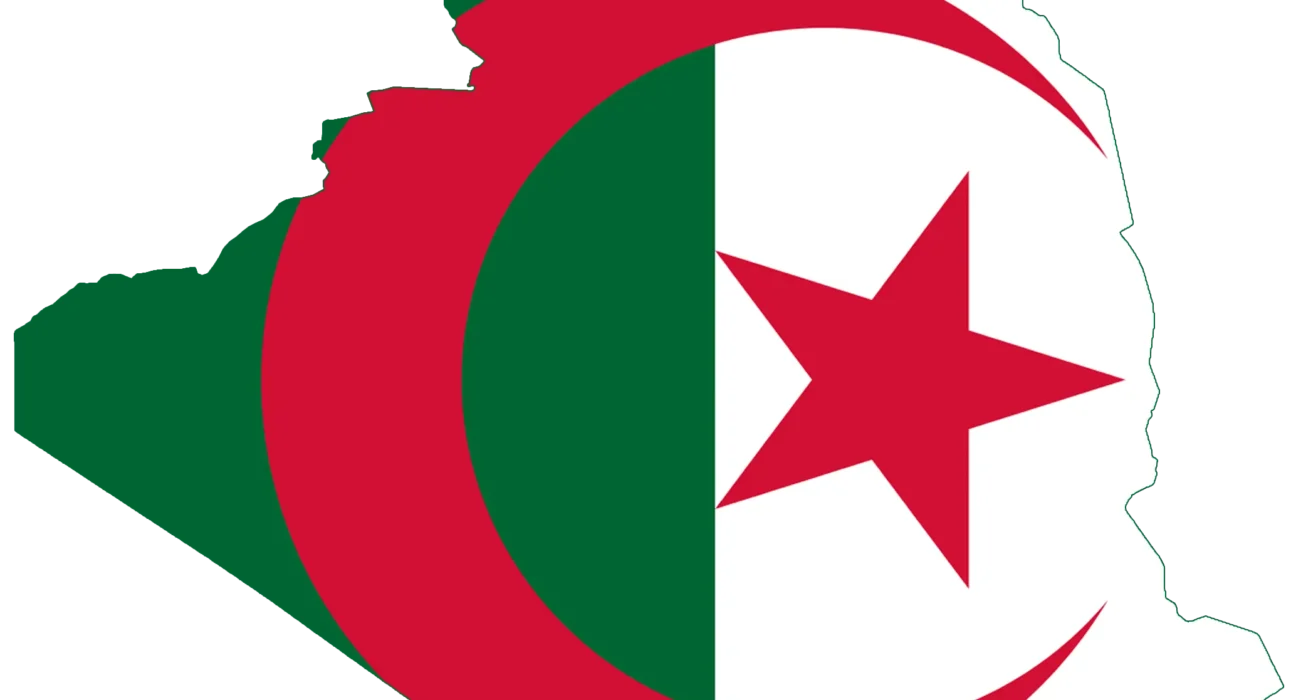
Algeria, the largest country in Africa by means of land vicinity, stretches from the sun-kissed Mediterranean shoreline in the north to the limitless golden dunes of the Sahara in the south. Often known as the “Land of a Million Contrasts,” Algeria blends historic Berber background with Arab impacts, Ottoman legacies, and French colonial echoes.
With a populace of approximately forty-eight million in 2026, this North African powerhouse offers some distance greater than its recognition as an oil and fuel massive. Whether you’re interested in prehistoric rock art in Tassili n’Ajjer, Roman ruins at Timgad, or bustling souks in Algiers, Algeria gives you real reports that few destinations can shape. In this last guide to all of Algeria, we dive into its geography, records, lifestyle, economic system, top points of interest, and practical travel advice. By the end, you’ll comprehend why this various country is rising as one of Africa’s most captivating tour and funding locations.
Geography and Climate of Algeria
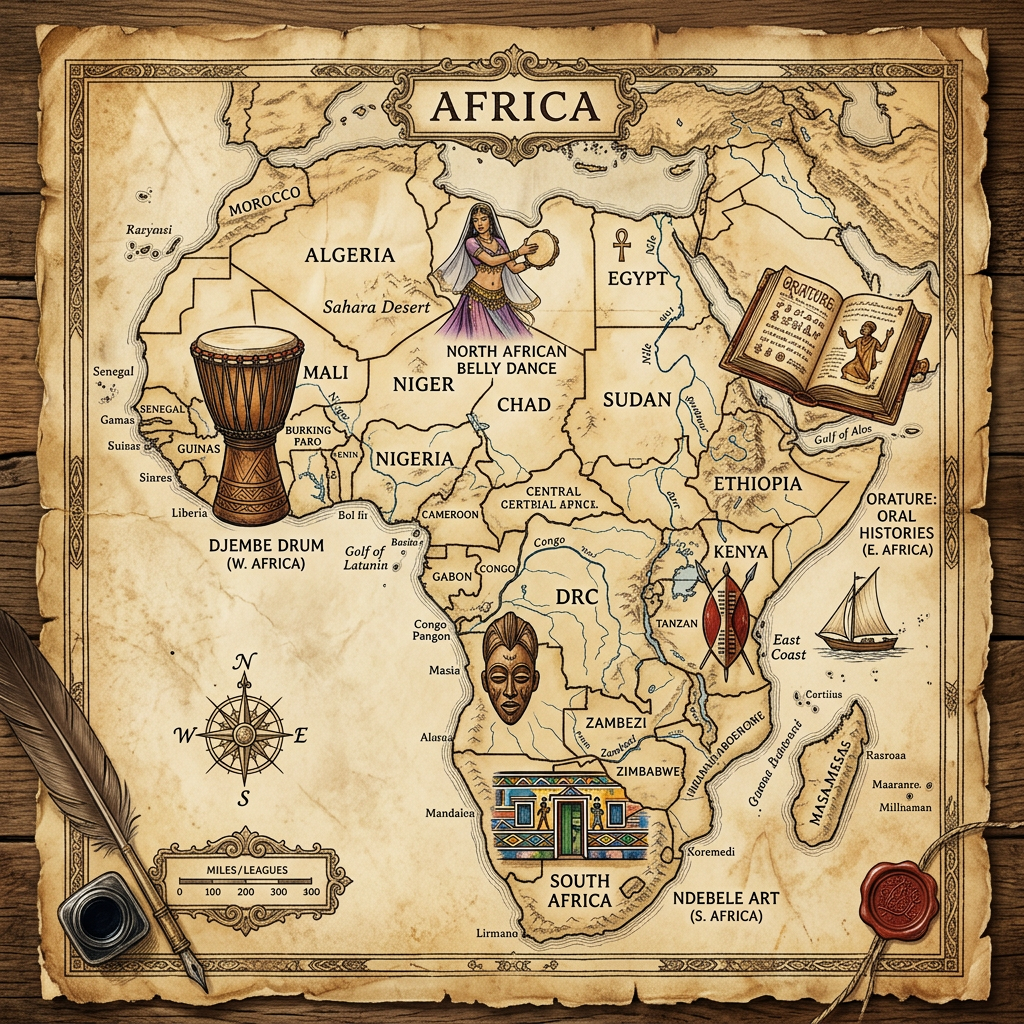
Algeria covers 2,381,741 square kilometers, making it the tenth-biggest country in the world and Africa’s undisputed giant. Its strategic place borders Tunisia and Libya to the east; Niger, Mali, and Mauritania to the south; Western Sahara and Morocco to the west; and the Mediterranean Sea to the north with over 1,200 km of coastline.
The United States divides into 3 awesome zones:
- The Tell (coastal location): Fertile plains and the Atlas Mountains support agriculture and most of the population.
- The High Plateaus: Semi-arid steppes are best for cattle.
- The Sahara Desert: Over 80% of Algeria’s territory, offering dramatic ergs (sand seas), oases, and the Hoggar Mountains.
Climate varies dramatically. Mediterranean winters and hot, dry summers dominate the north, while the Sahara reports extreme temperature swings (up to 50°C sunlight hours and near-freezing nights). The diverse geography creates particular ecosystems, from cork oak forests in the north to prehistoric rock formations in the south.
Key Facts Table:
| Aspect | Details |
| Total Area | 2,381,741 km² |
| Population (2026 est.) | ~48 million |
| Capital | Algiers |
| Official Languages | Arabic, Tamazight (Berber) |
| Currency | Algerian Dinar (DZD) |
| Time Zone | UTC+1 |
The Rich History of Algeria
Algeria’s records span millennia, shaped by Berber (Amazigh) roots, successive empires, and a hard-fought independence struggle.
Prehistoric and Ancient Eras
Evidence of human presence dates back over 2 million years, with Tassili n’Ajjer’s 15,000 rock paintings depicting a soon-to-be-inexperienced Sahara filled with elephants and giraffes. Phoenicians set up trading posts around 1000 BCE, followed by Roman rule that created wealthy cities like Timgad and Djémila. Berber kingdoms, particularly Numidia under King Massinissa, thrived before Roman annexation.
Islamic and Ottoman Periods
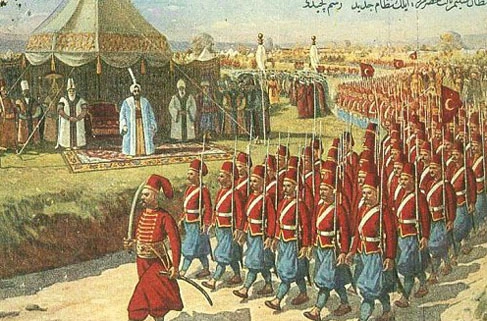
Arab conquests inside the 7th–8th centuries brought Islam, which stays imperative to Algerian identification. The location flourished under numerous Muslim dynasties before Ottoman rule from the sixteenth century marked Algiers as a key Mediterranean port.
French Colonization and Independence
France invaded in 1830, leading to 132 years of colonial rule marked by resistance. The 1954–1962 War of Independence, led by way of the National Liberation Front (FLN), ended in over a million deaths. Algeria received freedom on July 5, 1962, turning into a symbol of anti-colonial battles throughout Africa. Post-independence, it followed socialism before moving closer to marketplace reforms.
Culture and People of Algeria
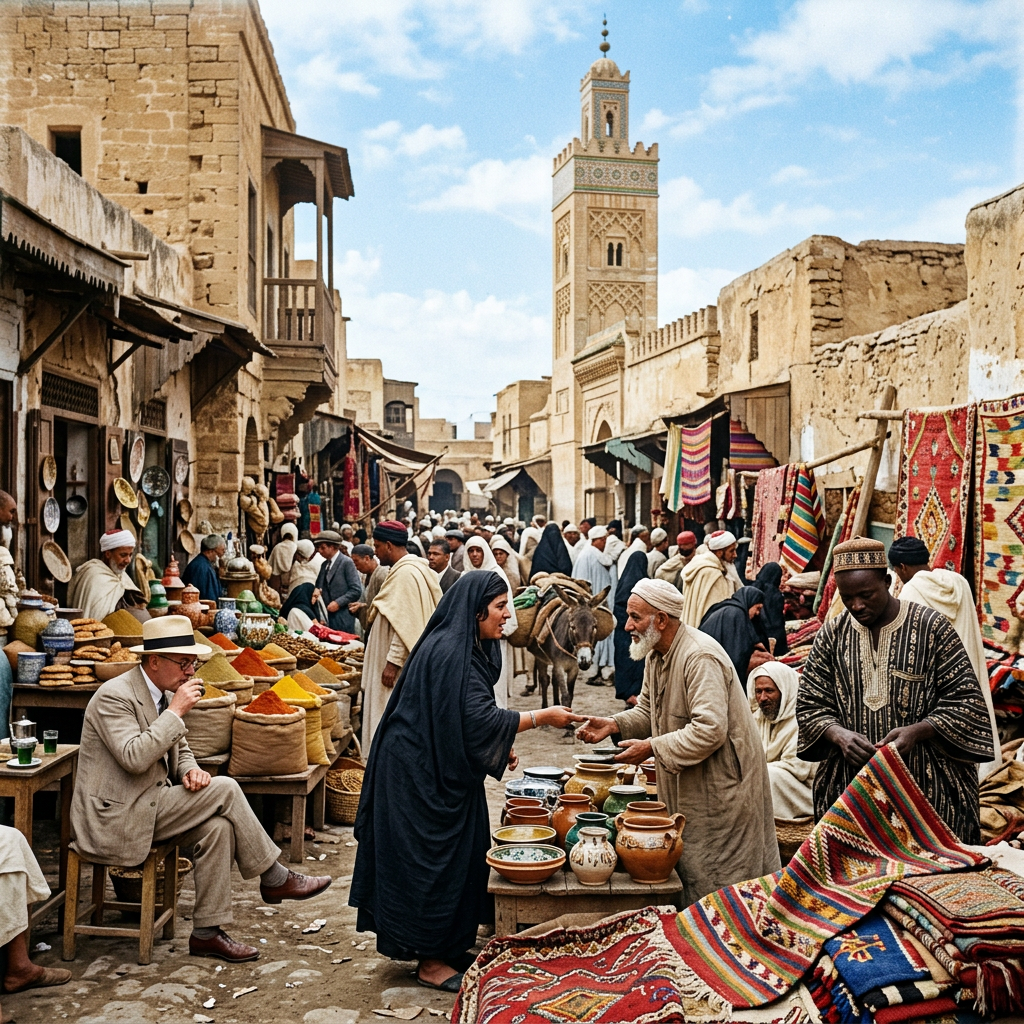
Algerian subculture is a colorful mosaic of Berber, Arab, Ottoman, and French influences. About 99% of the populace is Sunni Muslim, with Islam shaping daily existence, festivals, and social norms. Family remains the cornerstone of society, and hospitality is legendary—visitors are frequently welcomed with mint tea and dates.
Traditional garb includes the white haïk for women in towns and colorful Berber clothes in Kabylia. Music genres like Raï (current folk-rock) and Chaâbi combine neighborhood rhythms with worldwide beats. Literature prospers through authors like Albert Camus (born in Algeria) and present-day voices celebrating Amazigh identity.
Women play an increasing number of outstanding roles in politics, education, and enterprise, though traditional values persist in rural regions.
Algerian Cuisine: A Feast of Flavors
Algerian meals reflect its crossroads place. Couscous—steamed semolina served with vegetable stew, lamb, or bird—is the countrywide dish. Other staples encompass tajine (slow-cooked stews), merguez sausage, brik (crispy pastries), and chorba soup. Desserts include honey-soaked pastries, dates, and figs.
French baguettes coexist with flatbreads at the same time as avenue meals like khobz sandwiches are ubiquitous. Regional variations shine: coastal seafood in Algiers, hearty mountain dishes in Kabylia, and date-primarily based specialties in the Sahara.
Numbered List of Must-Try Dishes:
- Couscous Royale – with multiple meats and vegetables.
- Merguez – highly spiced lamb sausage.
- Makroud – date-crammed semolina cookies.
- Harira – hearty Ramadan soup (shared with associates).
Economy of Algeria: Oil, Gas, and Diversification
Algeria’s financial system ranks as Africa’s 1/3-largest, with 2025 nominal GDP around $269–288 billion and PPP exceeding $875 billion. Hydrocarbons account for over 90% of exports and more or less 30–47% of monetary sales, making the USA a pinnacle worldwide natural gas exporter.
Recent efforts have tripled non-hydrocarbon exports from $1.7 billion in 2017 to $5.1 billion by way of 2023, specializing in fertilizers, metals, and cement. Challenges include young people’s unemployment, infrastructure wishes, and worldwide electricity transition pressures. The government is making an investment in renewables, tourism, and agriculture to build resilience.
Top Tourist Attractions in Algeria
Algeria boasts seven UNESCO World Heritage Sites and endless natural wonders:
- Tassili n’Ajjer National Park: Prehistoric rock art and lunar-like sandstone formations.
- Timgad and Djémila: Perfectly preserved Roman towns regularly called “North Africa’s Pompeii.”
- Casbah of Algiers: Labyrinthine Ottoman-technology old city overlooking the Mediterranean.
- M’Zab Valley: Ancient Ibadi ksour (fortified villages) in the barren region.
- Tipasa: Coastal ruins blending Phoenician, Roman, and Christian records.
The Sahara offers camel treks and superstar-crammed nights, while the Atlas Mountains offer trekking and Berber village visits. Beaches near Oran and Annaba rival the Mediterranean’s great.
Practical travel tips for traveling to Algeria
- Visa: Most visitors require an e-visa or an embassy application.
- Best time: March–May or September–November for mild weather.
- Safety: Algeria is generally safe for tourists who rely on guided tours in the south.
- Currency and payment: Bring cash; ATMs are limited outside the cities.
- Language: French is widely understood; Arabic/Berber is widespread in daily life.
- Sustainability tip: Support local Berber guides and eco-lodges in the Sahara.
Conclusion
From prehistoric rock art to modern economic aspirations, Algeria is a symbol of resilience, diversity, and untapped potential. This great North African place offers travelers ancient wonder, cultural depth, and natural beauty and positions itself as a major player in Africa’s future. Whether you dream of Saharan adventures or discover Roman heritage, Algeria rewards the curious.
What is your favorite fact about Algeria? Share in the comments below, subscribe for more African destination guides, and check out our related posts on Moroccan vs. Algerian food. Safe travels—and discover Algeria yourself in 2026!
FAQ section
1. What is the name of the capital of Algeria, and what is the population in 2026?
Algiers is the capital. The total population of Algeria by 2026 is approximately 48 million.
2. Is Algeria safe for tourists?
Yes, with standard precautions. Guided tours are recommended for the southern desert areas, and urban areas such as Algiers are generally safe.
3. What is Algeria famous for?
It has the vast Sahara Desert, UNESCO Roman ruins (Timgad and Djemilla), rich Berber-Arab culture, and status as a major oil and gas producer.
4. What currency does Algeria use, and do they accept euros?
Algerian dinars (DZD). Euros and US dollars can be exchanged in banks/hotels, but have cash for small purchases.
About The Author