

Meta Description:
Discover Afghanistan, a landlocked state on the crossroads of Central and South Asia. This 2500-phrase manual dives into Afghanistan’s geography, ancient records, numerous lifestyles, ethnic businesses, economic system, and cutting-edge realities below Taliban rule. Learn key information, important points of interest, safety pointers, and what makes Afghanistan precise in 2026. Perfect for history fans, tradition fanatics, and curious tourists in search of real insights.
Table of Contents
Introduction
Afghanistan stands as one of the world’s most resilient and historically rich countries, nestled within the rugged landscapes of Central Asia. Often referred to as the “Heart of Asia,” Afghanistan has been a crossroads of empires, cultures, and trade routes for millennia. From the towering Hindu Kush mountains to the fertile valleys that after supported ancient civilizations, this landlocked S. continues to captivate historians, tourists, and worldwide observers alike.
Despite a long time of battle and current political changes, Afghanistan stays a tapestry of colorful ethnic traditions, breathtaking herbal splendor, and untapped potential. With a population exceeding 44 million in 2026 and a GDP hovering around $18–20 billion, the kingdom faces widespread demanding situations but additionally holds promise via its abundant herbal sources and deep cultural historical past. In this comprehensive manual, we explore the geography, history, tradition, humans, financial system, and cutting-edge affairs of Afghanistan—providing balanced insights for all people looking to understand this complex but captivating country. Whether you’re making plans for an accountable go-to or really expanding your international information, this put-up on Afghanistan supplies the information you need.
The Geography and Climate of Afghanistan
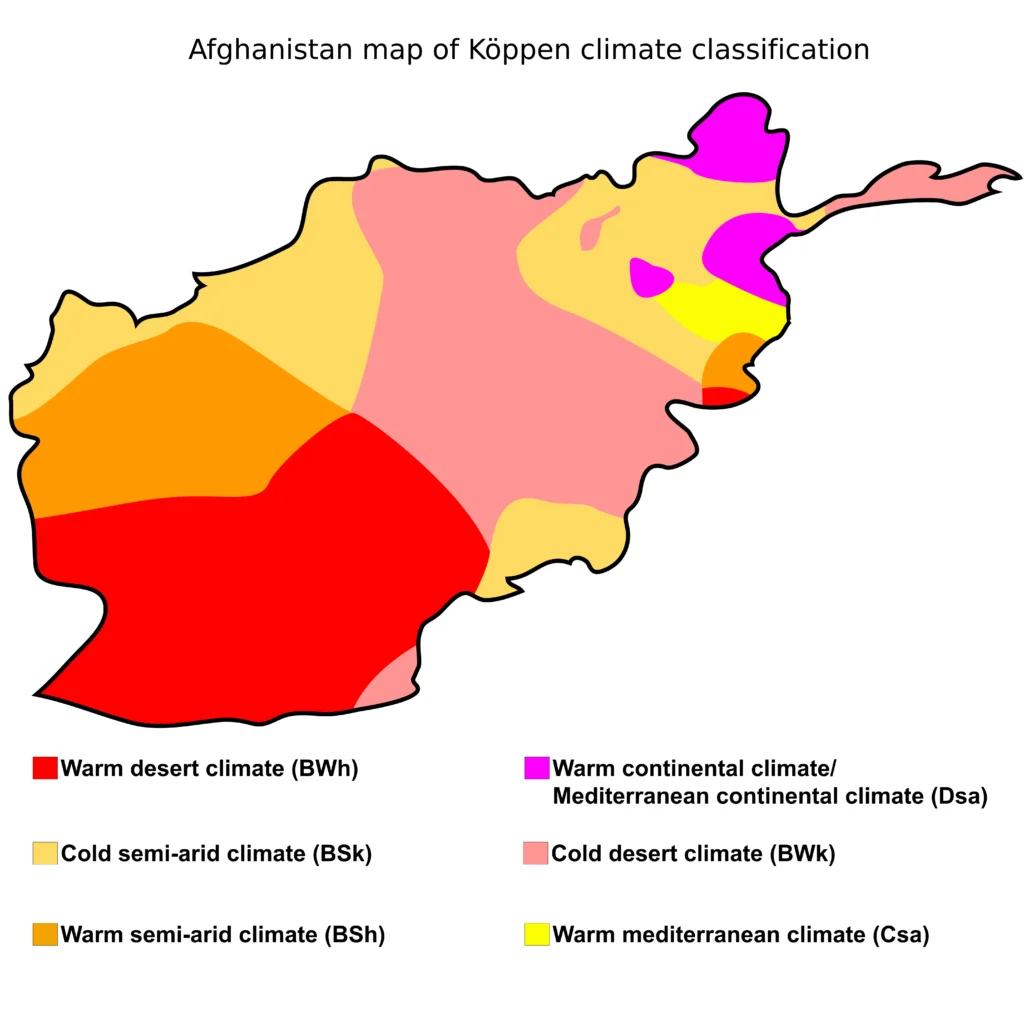
Afghanistan is a landlocked country bordered by Pakistan to the east and south, Iran to the west, Turkmenistan, Uzbekistan, and Tajikistan to the north, and China to the northeast. Covering approximately 652,230 square kilometers, it capabilities dramatic terrain ruled by the Hindu Kush mountain range, which stretches across the center and creates various microclimates.
Key geographical highlights:
- Mountainous core: Over 50% of the country is mountainous, with peaks exceeding 7,000 meters.
- Deserts and plains: The southern Registan Desert and northern Amu Darya plains assist agriculture.
- Major rivers: The Kabul, Helmand, and Amu Darya rivers are crucial for irrigation and day-to-day existence.
The climate is arid to semiarid, with cold winters (temperatures dropping below freezing) and hot summers (often above 30°C). Climate change has intensified droughts and floods, affecting thousands and thousands. Natural sources include copper, iron ore, lithium, uncommon earth factors, herbal gasoline, and precious stones—predicted via the U.S. Geological Survey at over $3 trillion in ability price.
This varied geography has shaped Afghanistan’s records as both a strategic prize and a tough territory to overcome.
A Rich Tapestry of History in Afghanistan
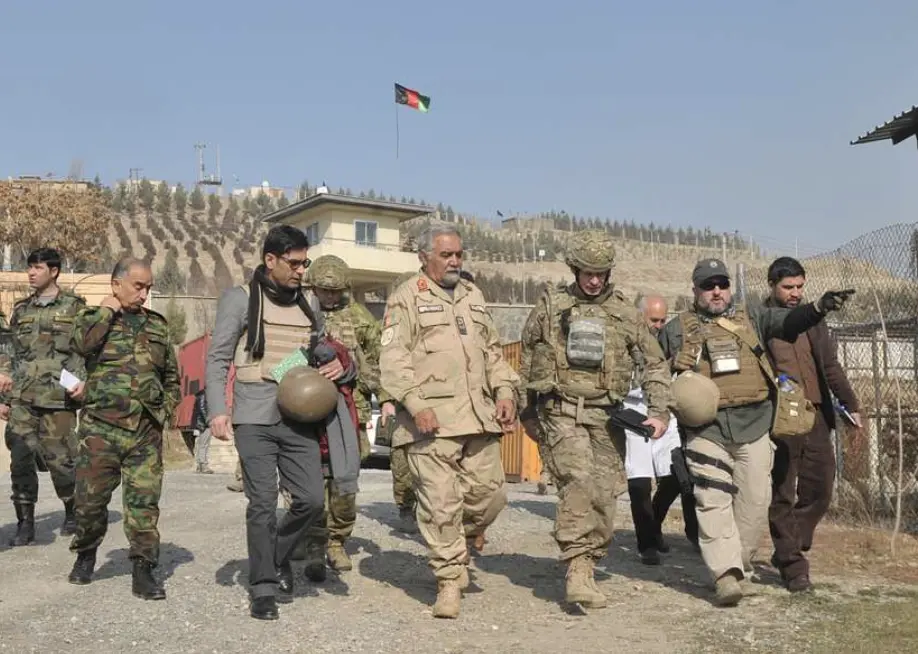
The records of Afghanistan span over 5,000 years. Early population included Indo-Iranian tribes, followed by conquests from Alexander the Great in 330 BCE; the Mauryan and Kushan empires (which spread Buddhism); and later Islamic dynasties after the 7th century.
Key periods consist of the following:
- Durrani Empire (1747–1823): Founded with the aid of Ahmad Shah Durrani, frequently called the founding father of modern-day Afghanistan.
- Anglo-Afghan Wars (nineteenth century): Afghanistan resisted British colonial aims, incomes a recognition for
- 20th-century modernization: King Amanullah Khan declared independence in 1919; later, a long time saw monarchy, a republic, and a Soviet invasion (1979–1989).
- Recent history: Civil war inside the 1990s brought about Taliban rule (1996–2001), U.S.-led intervention (2001–2021), and the Taliban’s return in August 2021, setting up the Islamic Emirate of Afghanistan.
Today, Afghanistan’s records display resilience amid outside pressures and inner range.
Cultural Diversity and Traditions of Afghanistan
The tradition of Afghanistan is a vibrant mosaic stimulated by using Persian, Turkic, and South Asian factors. Hospitality (known as melmastia) is a cornerstone of Afghan society, rooted in the Pashtunwali code among many communities.
Signature cultural factors:
- Arts and crafts: Intricate carpets, pottery, and jewelry from Herat and Kandahar.
- Sports and festivals: Buzkashi (a conventional polo-like recreation on horseback) and Nowruz (Persian New Year) celebrations.
- Cuisine: Dishes like kabuli pulao, mantu, and fresh naan replicate regional flavors and hospitality.
- Music and poetry: Classical ghazals and units just like the rubab and poetry by means of Rumi and local masters stay popular.
The People of Afghanistan: Ethnic Groups and Languages
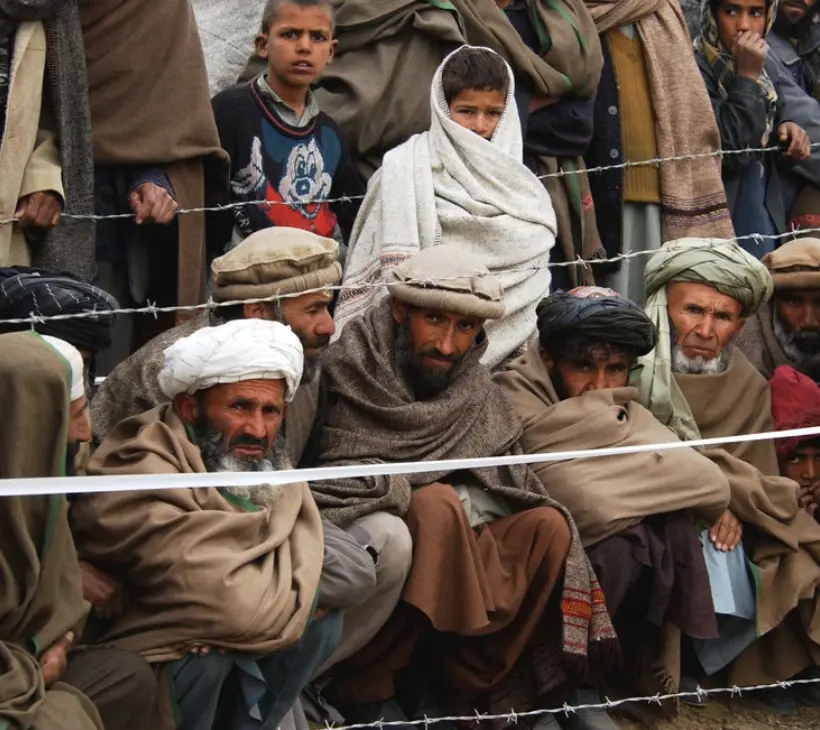
Afghanistan is home to diverse ethnic groups, fostering both unity and complexity.
| Ethnic Group | Approximate Percentage | Primary Language | Key Regions |
| Pashtun | 42% | Pashto | South & East |
| Tajik | 27% | Dari | North & West |
| Hazara | 9% | Dari (Hazaragi) | Central Highlands |
| Uzbek | 9% | Uzbek | North |
| Others (Aimaq, Turkmen, Baloch, etc.) | 13% | Various | Scattered |
Official languages are Pashto and Dari (Afghan Persian). Nearly all Afghans are Muslim (Sunni majority ~80%, Shia ~19%). The median age is around 17–18 years, making Afghanistan one of the youngest populations globally.
Economy and Natural Resources in Afghanistan
Afghanistan’s economic system is developing and agriculture-dependent, with a 2023–2024 nominal GDP of approximately $17–20 billion and a per capita income around $400–460. Key sectors consist of the following:
- Agriculture (pistachios, grapes, wheat, opium—although production has declined sharply).
- Mining potential (copper at Mes Aynak, iron ore, lithium).
- Informal financial system (~seventy-three percent of activity) and remittances.
Challenges include poverty (over half of the population under the poverty line), lack of meals, lack of confidence affecting 23 million, and restricted global banking access. A modest GDP boom of 2–4% has been recorded currently, pushed by means of revenue collection and agriculture. Natural sources offer long-term hope if infrastructure improves.
Afghanistan Today: Politics, Society, and Challenges in 2026
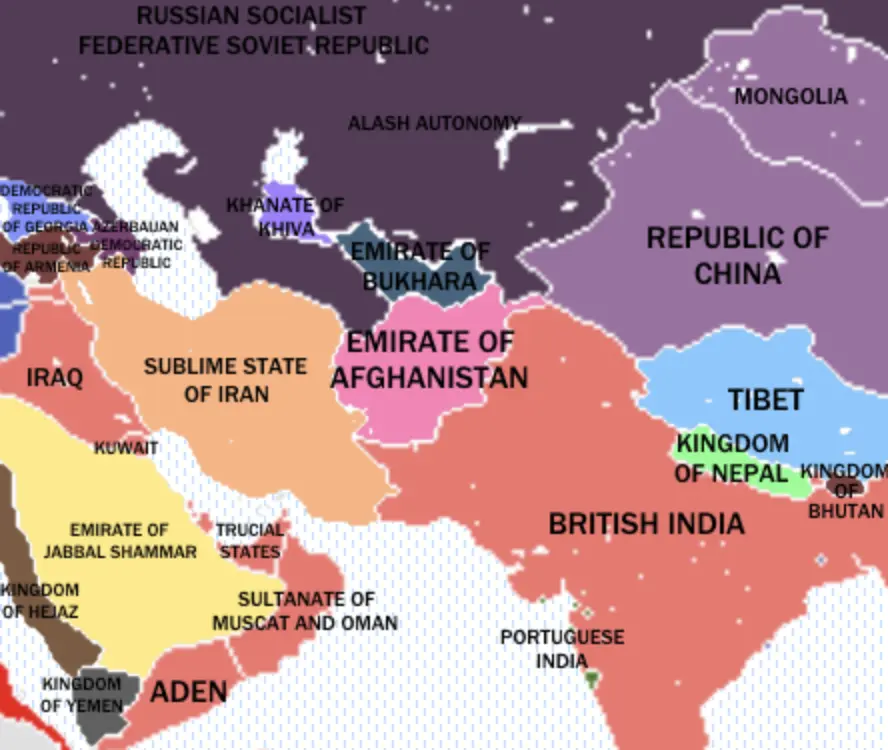
Since August 2021, the Taliban has governed as the Islamic Emirate of Afghanistan. No us of a has granted full diplomatic recognition, though a few maintain embassies in Kabul. Key problems encompass the following:
- Restrictions on girls’s and women’ education and employment.
- Humanitarian wishes: 23.7 million requiring useful resources (UN OCHA).
- Security: Reduced large-scale battle but ongoing threats from ISKP and economic stress.
- International family members: Focus on local trade with China, Pakistan, and others.
Progress consists of advanced rural safety in some regions and revenue growth. Afghanistan continues to navigate a complex path ahead.
Tourism in Afghanistan: Opportunities, Attractions, and Safety Tips for 2026
While many governments problem “Do Not Travel” advisories because of security and absence of infrastructure, a small, however developing, variety of adventure tourists go responsibly with nearby courses.
Top attractions:
- Band-e-Amir Lakes (Bamiyan Province) – Stunning herbal reservoirs.
- Historic websites in Herat and Mazar-i-Sharif.
- Kabul’s antique city and National Museum.
- Ancient Bamiyan Buddhas website (despite 2001 destruction).
Safety tips: Travel with legitimate operators, recognize nearby customs, acquire vital permits, and screen updates. No formal tourism infrastructure exists—visitors anticipate complete danger.
Conclusion
Afghanistan is a nation of profound records, cultural intensity, herbal wealth, and resilient people. From its historic empires and numerous ethnic tapestries to its current demanding situations and untapped possibilities, the United States of America remains a pivotal participant in Central Asia. While monetary and humanitarian hurdles persist, the spirit of its 45 million residents gives desire for a stronger and richer future.
We wish this guide had provided precious insights into Afghanistan. What issue of Afghanistan fascinates you the most—its history, lifestyle, or capacity for the future? Share your thoughts in the remarks in proportion to this publication with fellow explorers, and check our related articles on Central Asian heritage for extra. Stay knowledgeable, tour responsibly, and hold mastery of our interconnected world.
FAQ Section
1. What is the contemporary populace of Afghanistan in 2026?
Afghanistan’s populace is about 44.7–45 million as of mid-2026, with a young median age and rapid growth.
2. Is it safe to tour Afghanistan in 2026?
Most governments advise in opposition to journeys because of security risks, loss of infrastructure, and political restrictions. Independent travelers should use professional courses and display legit advisories intently. Relative enhancements in road-degree security exist in some areas; however, dangers continue to exist.
3. What are the primary ethnic agencies and languages in Afghanistan?
Major organizations consist of Pashtun (42%), Tajik (27%), Hazara (9%), and Uzbek (9%). Official languages are Pashto and Dari.
4. How has the financial system of Afghanistan changed in view of 2021?
The financial system relies on agriculture and informal sectors amid sanctions and useful resource shifts. Modest growth has taken place via domestic revenue, but poverty, food, and lack of confidence have an effect on tens of millions. Natural assets gift long-time periods of possibilities.
About The Author