

Meta Description:
Explore Angola, a colorful southern African nation rich in botanical resources, beautiful landscapes, and resilient culture. This entire 2026 booklet examines Angola’s records from Portuguese colonial rule and independence to civil war termination, the capital city of Luanda, myriad geographies, over 40 million inhabitants, authentic Portuguese, oil- and diamond-driven practices, and other financial interests and tourist attractions. is growing among the most exciting destinations in Africa.
Table of Contents
Introduction
Located on the southwest coast of Africa, Angola is a country of dramatic contrasts—from wide, oil-rich Atlantic coastlines and towering waterfalls to ancient rock art, dense rainforests, and vibrant urban energy, with a location (1,246,700 km²) as one of the largest in Africa. With forty million, Angola is restructuring from many years of war and now stands as a resilient powerhouse embracing peace, reconstruction, and tourism.
Whether you’re drawn in by its rich records, diverse cultures, oil- and diamond-fueled economy, or untouched herbal wonders, Angola offers real African fun that few travelers have fully determined. In this remaining 2026 brochure of Angola USA, we explore records, geography, Shikhar-Akarshanani, Mahattupurna-Bhramana-Sanketa: Ch Ganhatya Gachham: Ye Bhavan Avismaranya-Yatra Kartun Sahayeyan Karishyanti.
Geography and map of Angola
Angola has a strategic role on the South Atlantic coast. It is bordered by Namibia to the south, Zambia to the southwest, the Democratic Republic of the Congo to the north and northeast, and the Democratic Republic of the Congo to the northwest. The oil-rich Cabinda formation is separated from the mainland north of the Congo River.
This scenario is extraordinarily diverse:
- It is a narrow coastal plain with beautiful beaches.
- The Central Highlands are perfect for farming.
- southern semi-desert region.
- later, and Japanese rainforests and savannas.
Highest point: Mount Moko (2,620 m). The main rivers are the Kwanza, whence the U.S.S. came. It spells the name.
Quick Facts Table:
| ASPECT | DETAILS |
| Total area | 1,246,700 km² |
| Capital | Luanda |
| Highest peak | Mount Moco (2,620 m) |
| Coast line | ~1,600 km |
| Climate | Tropical to subtropical; dry season May–Oct |
History of Angola
Angola-Country Human History: Shukalin-Baru migration Sya: Sahi Varshanan Background Adh Rashau Vyapt: Asti, Kang’aourazs, Ivorzs, Ivoor’lani, and Portuguese ransóknar settled in the 15th century and founded one. long colonial presence that focused on slave alternatives and later resource extraction.
Key milestones:
- 1961: The armed struggle for independence begins.
- 1975: Independence from Portugal on 11 November; directly observed with the help of the civil war between MPLA, UNITA, and FNLA factions.
- 1975–2002: 27 months of devastating civil war that took the toll of scores of lives and displaced millions.
- 2002: Peace comes after the death of UNITA leader Jonas Savimbi.
- 2002—Gift: Post-Conflict Reconstruction, Financial Growth, and Political Balance under MPLA Authorities.
Today, Angola commemorates its resilience by addressing the legacy of the war, along with landmines and infrastructure reconstruction.
Government and Politics
Angola is a unitary presidential republic. The president acts as the head of the nation and the government. The National Assembly has legislative power. Since 2017, President João Lourenço has focused on anti-corruption, monetary diversification, and governance reform efforts.
Population and Demography of Angola
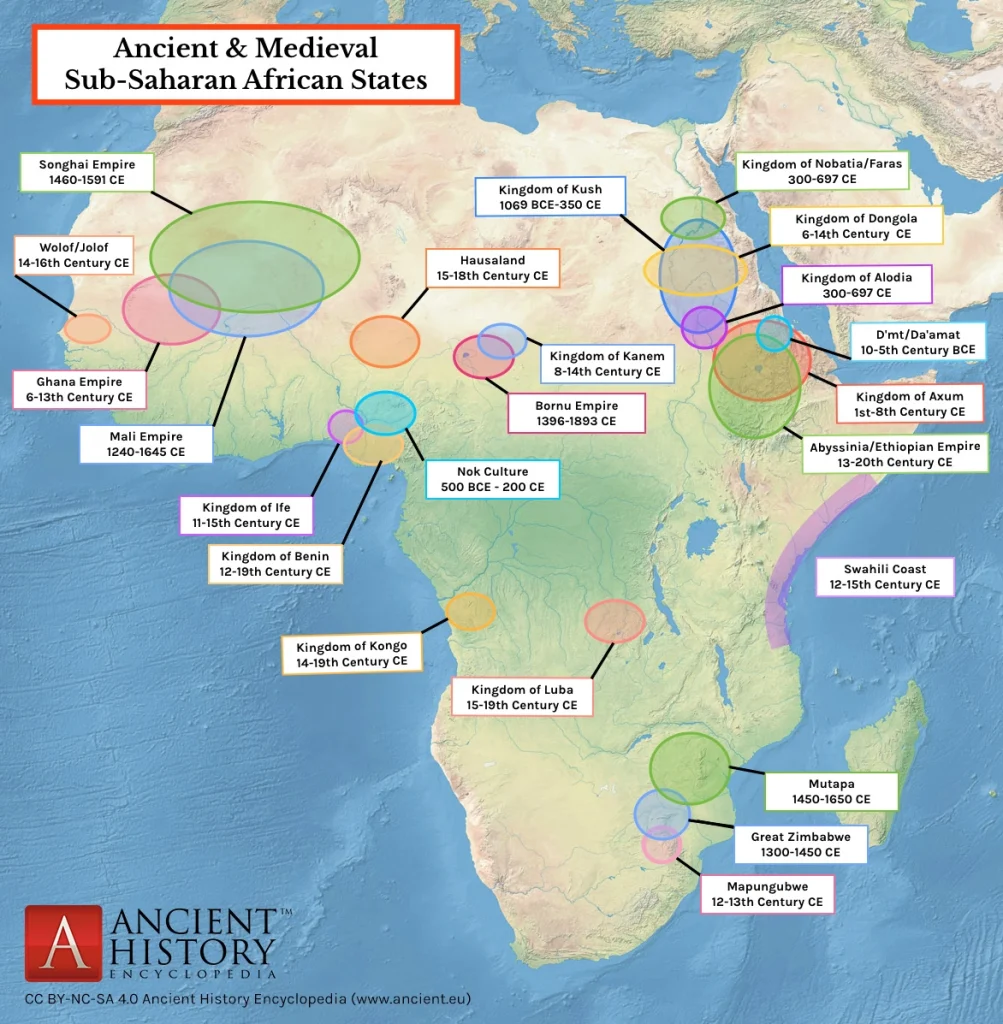
Angola has one of the fastest-growing populations in Africa. The mid-year estimate for 2026 is about 40.2 million people, with an average age of young people of about sixteen. 7 years, and high urbanization (about 70% urban).
Major cities:
- Luanda (capital) — More than 10 million within the larger area.
- Lubango, Cabinda, Benguela, Huambo.
The population is ethnically diverse, with significant communities that include Owimbundu, Ambundu (Kimbundu), Bakongo, and others. Life expectancy is advancing but is being challenged and is accessible through healthcare.
Population Growth Table (estimates):
| YEAR | POPULATION (APPROX.) |
| 2020 | 33.5 million |
| 2025 | 39 million |
| 2026 | 40.2 million |
Language in Angola
The official language of Angola is Portuguese, spoken by the majority and used by officials, schools, and the media. Umbundu, Kimbundu, Kikongo, Chokwe, and several other national languages are widely spoken. This target area reflects the U.S.A.’s rich cultural mosaic.
Culture, people and society
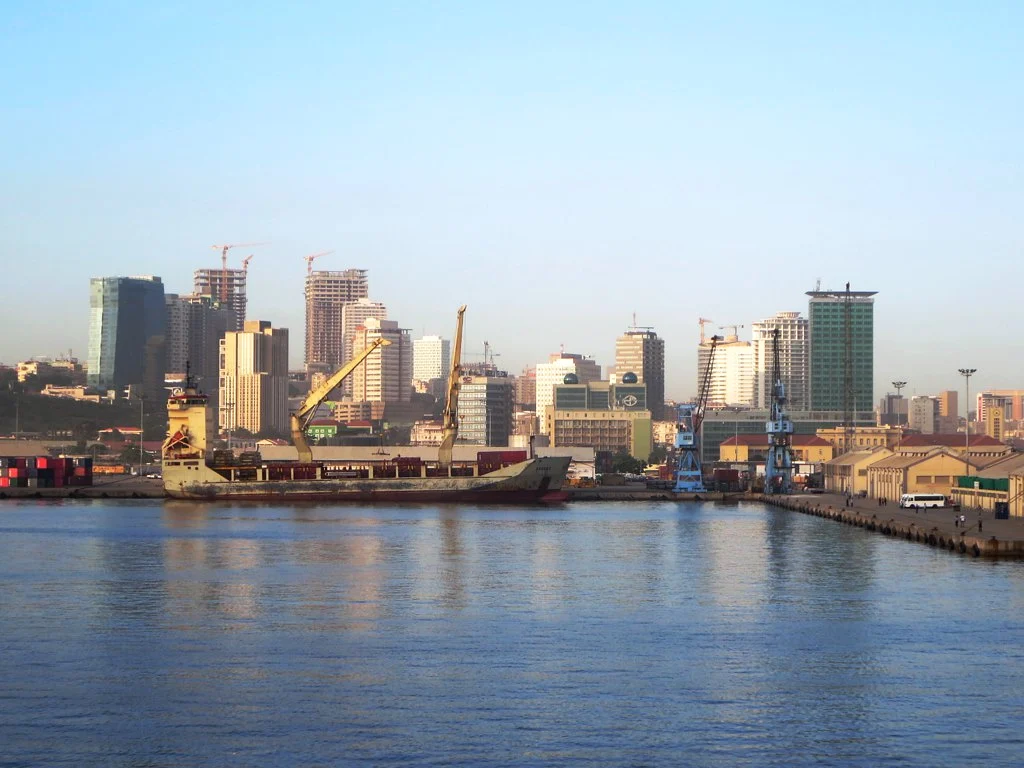
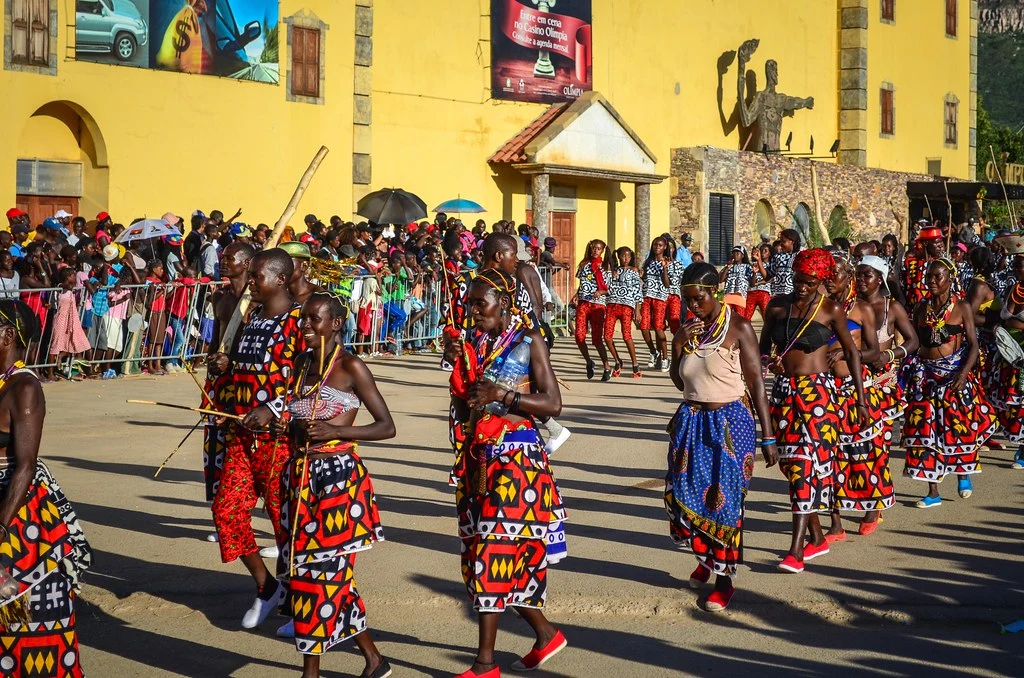
Angola has a colorful fusion of African traditions and Portuguese influences. Music and dance thrive—kizomba, semba, and kuduro locks have gained global recognition. Traditional art includes Chokwe masks and sculptures.
The meals consist of staples like fufu (cassava porridge) paired with fish, meat, or vegetables. Football (soccer) and basketball are passions throughout the country. Catholicism, along with indigenous religions, is the dominant religion.
Festivals and holidays around the country celebrate harmony and history with Independence Day (Martinmas).
The Economy of Angola
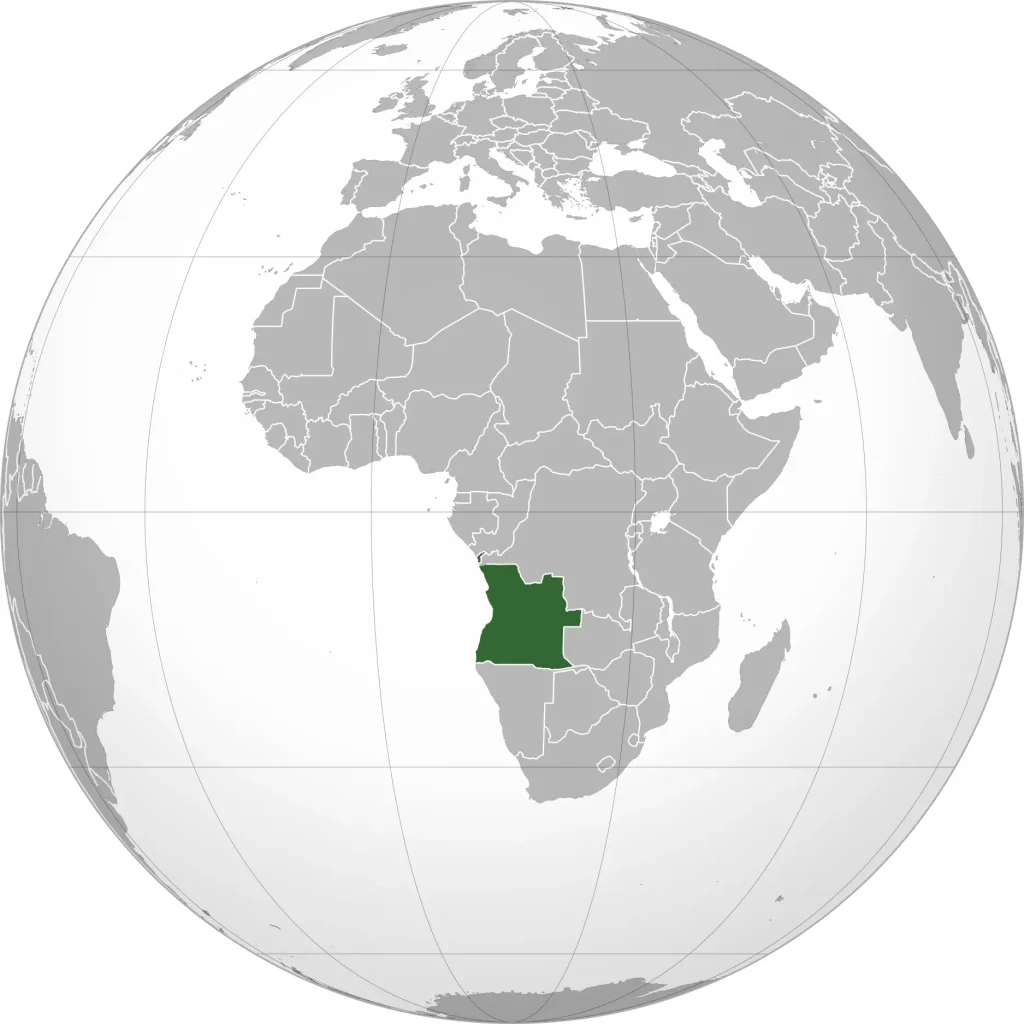
Angola is considered one of the leading oil producers in sub-Saharan Africa and a major exporter of diamonds. Oil dominates GDP, although authorities actively sell diversification to agriculture, tourism, mining, and manufacturing to reduce vulnerability to fluctuations in the fat tax.
The 2002 reconstruction led to extensive improvements in infrastructure, but challenges such as poverty, inequality, and unemployment persist. GDP growth varies according to global commodity cycles.
Top Attractions and Things to Do in Angola
Angola offers tourists a high-quality variety:
- Luanda: Explore the colonial architecture, Fortaleza de São Miguel, colorful markets, and a modern waterfront.
- Kalandula Falls: One of the largest waterfalls in Africa—a panoramic herbal wonder.
- Kissama (Quicama) National Park: Wildlife tour with elephants, giraffes, and more.
- Benguela and Lobit o Beach: The pristine Atlantic coast for relaxation.
- Miradoro da Lua: Dramatic “moonscape” rock formations near Luanda.
- Mbanza Congo: A UNESCO website dedicated to the historic Kingdom of Congo.
Other highlights include rock painting in the south, trekking within the highlands, and cultural tours in the provinces.
Best time to visit Angola and practical travel tips
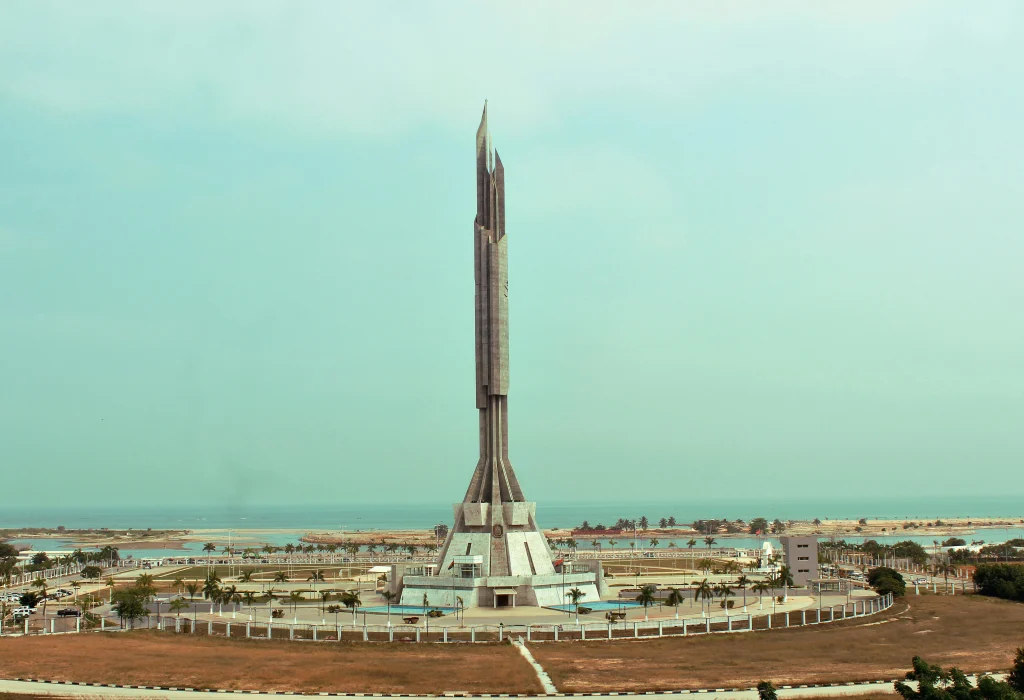
The best time to visit Angola is the dry season (May to October), when the climate is cooler, the roads more accessible, and the wildlife viewing is higher quality. The rainy season (November to April) brings lush greenery and can still limit visits.
Travel requirements:
- Visa requirements vary; check out e-visa options.
- Currency: Angolan Kwanza (AOA).
- Language: Portuguese is important; English is increasingly spoken in commuter areas.
- Health: Consult a malaria vaccination and precautions.
- Security: Admirably improved since the Civil War; however, exercises involved precautions.
Conclusion:
Angola is a rural country with tremendous resilience, natural beauty, cultural intensity, and economic potential. With its turbulent history of rapid detection and conflict recovery; diverse, welcoming-to-humanity landscapes; and an emerging tourist sector, Angola truly provides the United States with a real African adventure.
As it expands and reveals secrets around the world in 2026 and beyond, now is an exciting time to discover this hidden gem. Ready to design your experience? Share your thoughts or questions about traveling to Angola in the comments below, share this brochure with fellow travelers, and check out our relevant articles on stops in Luanda or parks throughout Angola and Safe Travel Viva Angola!
FAQ section
1. What is the capital of Angola?
Luanda, a bustling coastal city and one of Africa’s largest cities, serving as the country’s political, financial and cultural coronary heart
2. What language is spoken in Angola?
Portuguese is a valuable language. Several Bantu national languages, which include Umbundu, Kimbundu, and Kikongo, are also widely spoken.
3. Is Angola safe for holidays in 2026?
Indeed, security has improved significantly since the end of the civil war. As with any travel destination, take general precautions, especially in remote areas, and observe current travel advisories.
4. What is the happiest time to visit Angola?
The dry season from May to October offers the most beautiful weather and first-class conditions for sightseeing, safaris, and beach activities.
About The Author