

Explore the motive of the Iran–Israel struggle, inclusive of historical tensions, political conflicts, and contemporary geopolitical elements. Learn how this rivalry affects international protection, oil markets, and Middle East stability.
Table of Contents
Introduction
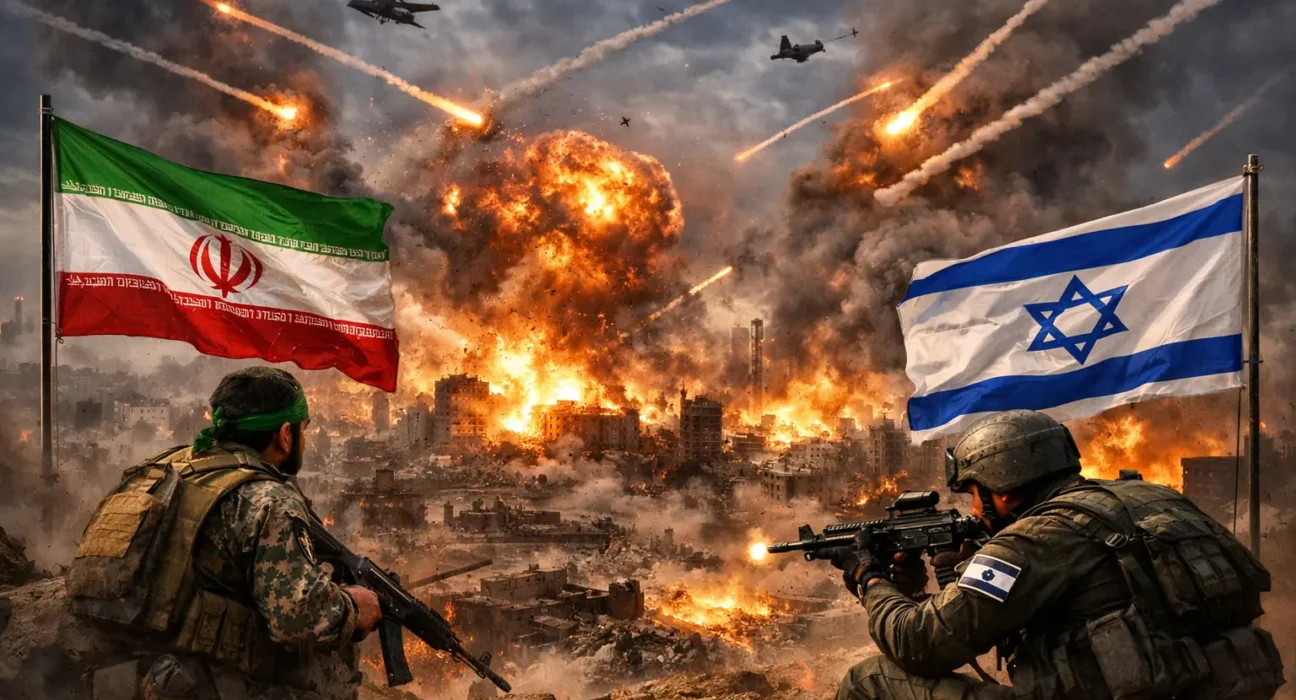
The purpose of the Iran-Israel conflict is one of the most debated and complex geopolitical issues in cutting-edge records. Rooted in ideological differences, local energy struggles, and decades of political hostility, the anxiety between those two nations has formed the Middle East appreciably.
From the aftermath of the 1979 Iranian Revolution to ongoing proxy conflicts across the region, the Iran-Israel competition has evolved right into a crucial worldwide difficulty. Understanding the actual causes behind this warfare is essential—not only for political analysts but also for anybody interested in global relations.
In this text, we break down the key reasons for Iran-Israel warfare, discover its ancient roots, and analyze its broader implications on worldwide peace and security.
Historical Background of Iran-Israel Relations
Friendly Ties Before 1979
- Iran and Israel maintained diplomatic relations.
- Economic and army cooperation existed.
- Iran changed into one of the few Muslim-majority countries opposing Israel.
Impact of the 1979 Iranian Revolution
- Shift to Islamic governance.
- Israel is labeled as an “enemy state.”
- Beginning of ideological hostility.
Key Reasons for the Iran-Israel War
1. Ideological and Religious Differences
- Iran’s management opposes Israel’s lifestyles.
- Support for Palestinian reasons.
- Anti-Zionist stance vs. Israeli nationalism.
2. Regional Power Struggle
- Iran seeks dominance inside the Middle East.
- Israel pursues to preserve security and affect.
- Competition in nations like Syria, Lebanon, and Iraq.
3. Proxy Warfare
Examples:
- Hezbollah in Lebanon is supported via Iran.
- Conflicts in Syria concerning Iranian forces.
- Israeli airstrikes targeting Iranian bases.
Proxy Conflict Zones
| REGION | IRAN’S ROLE | ISRAEL’S RESPONSE |
| Lebanon | Supports Hezbollah | Military surveillance |
| Syria | Military presence | Airstrikes |
| Gaza | Supports Hamas indirectly | Defense operations |
4. Nuclear Program Concerns
- Iran’s nuclear objectives alarm Israel.
- Fear of nuclear weapons development.
- International sanctions and inspections.
5. Cyber Warfare and Intelligence Operations
- Cyberattacks on infrastructure.
- Covert operations and espionage.
- Assassination of nuclear scientists.
Timeline of Major Events
Key Milestones:
- 1979 – Iranian Revolution
- 2006 – Israel-Hezbollah War
- 2015 – Iran Nuclear Deal (JCPOA)
- 2020 – Rising covert conflicts
Global Impact of Iran-Israel Conflict
Economic Effects
- Oil rate fluctuations
- Trade disruptions
Political Consequences
- Increased tensions in Middle East
- Involvement of world powers (USA, Russia)
Security Concerns
- Threat of full-scale struggle
- Terrorism dangers
Case Study: Syria Conflict
- Iran helps Syrian authorities.
- Israel conducts airstrikes against Iranian bases.
- Strategic importance of Syria.
Future of Iran-Israel Relations
- Possibility of diplomatic solutions
- Continued proxy conflicts
- Role of global companies
Conclusion
The motive of Iran-Israel warfare is not constrained to a single thing but is an aggregate of historic grievances, ideological competition, and geopolitical goals. From proxy wars to cyber conflicts, each country retains the ability to interact in indirect confrontations that affect international stability.
Understanding these underlying causes allows us to hold close the seriousness of the state of affairs and the capacity outcomes for the world. As tensions hold, the role of international relations and international cooperation will become more important than ever.
FAQ Section
1. What is the principal purpose of the Iran-Israel conflict?
The most important motives include ideological differences, regional electricity contention, and Iran’s competition with Israel’s existence.
2. Are Iran and Israel formally at conflict?
No, they’re no longer in direct conflict but interact in oblique conflicts and proxy conflicts.
3. Why is Iran against Israel?
Iran opposes Israel due to political, non-secular, and geopolitical motives, mainly its aid for Palestine.
4. How does this conflict affect the world?
It impacts international oil prices, international safety, and geopolitical balance.
About The Author