

Meta Description
Experience the whole part about Argentina: its rich history from Spanish colonization to independence, distinctive map and geography, symbolic flag with the May sun, the leading population of about forty-six million in 2026, and the distinctive Rioplaten Spanish language. This comprehensive booklet covers lifestyle, statistics, and travel insights from this vibrant South American state.
Table of Contents
Introduction
Imagine a country where the majestic Andes meet endless pampas grasslands, where the rhythm of tango echoes through the vibrant streets of Buenos Aires, and where dramatic landscapes in Patagonia inspire awe in South America’s second-largest nation, Argentina. Tourists are drawn to a combination of European spirit and indigenous heritage; it appeals to history buffs and lovers of tradition.
From Argentina’s tumultuous history of independence and political upheaval to its symbolic Argentine flag, diverse Argentine map of territory, evolving Argentine population, and various Argentine languages, this guide explores the essence of the Argentine Republic without intending to explore where it stays.
Argentina: history, map, flag, population, language
Geography and map of Argentina
The map of Argentina shows 3800 km from north to south. Bordered by Chile (to the west, along the Andes Mountains), Bolivia and Paraguay (to the north), Brazil and Uruguay (to the northeast/east), and the South Atlantic Ocean, it claims to be part of Antarctica and the Falkland Islands (the Falkland Islands).
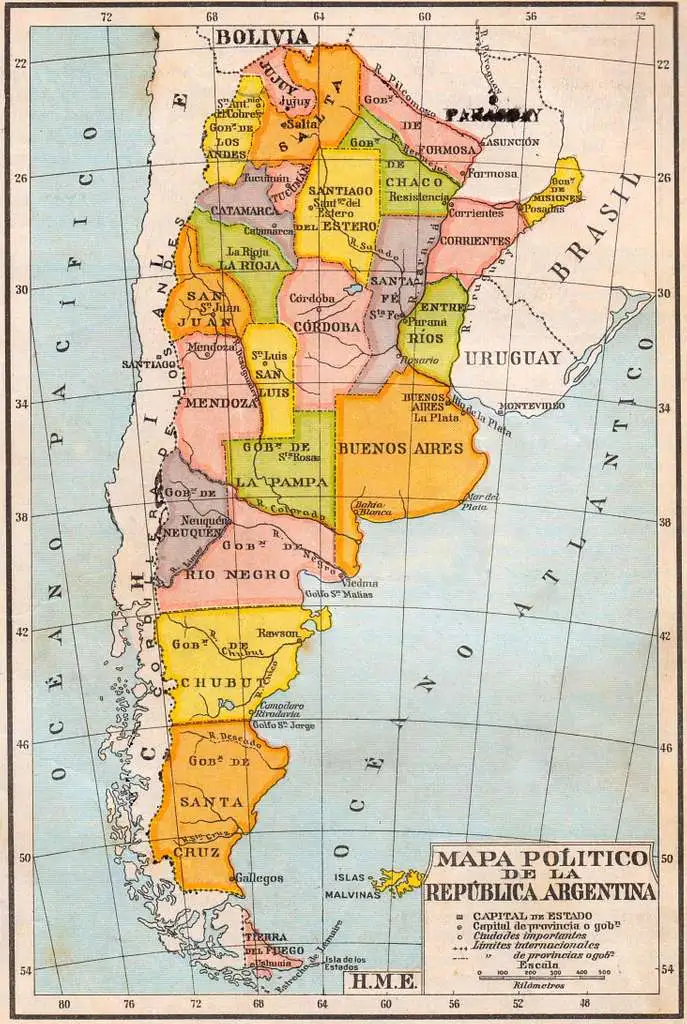
Key areas:
- Northwest (Andean region): Jujuy, Salta—extreme plateau, Quebrada de Humahuaca (UNESCO website).
- Gran Chaco and Mesopotamia: Subtropical forests and wetlands, including the Iguazu Falls.
- Cuyo: Mendoza wine region in the mountains of the Andes Mountains.
- The Pampas: fertile, unmistakable plains, the coronary heart of agriculture and the gaucho lifestyle.
- Patagonia: South wind-blown plains, glaciers (Perito Moreno), and Tierra del Fuego.
Table: Major Provinces and Capitals:
| Province | Capital | Key Feature |
| Buenos Aires (Autonomous City) | Buenos Aires | Cultural capital, tango |
| Córdoba | Córdoba | Historic university city |
| Santa Cruz | Río Gallegos | Patagonia glaciers |
| Mendoza | Mendoza | World-class vineyards |
The flag of Argentina – symbolism and history
The Argentine flag was designed in 1812 with the help of Manuel Belgrano and has three horizontal stripes: soft blue (top and bottom) and white (center), with the golden sun of May (Sol de Mayo) in the middle of the white stripe officially.
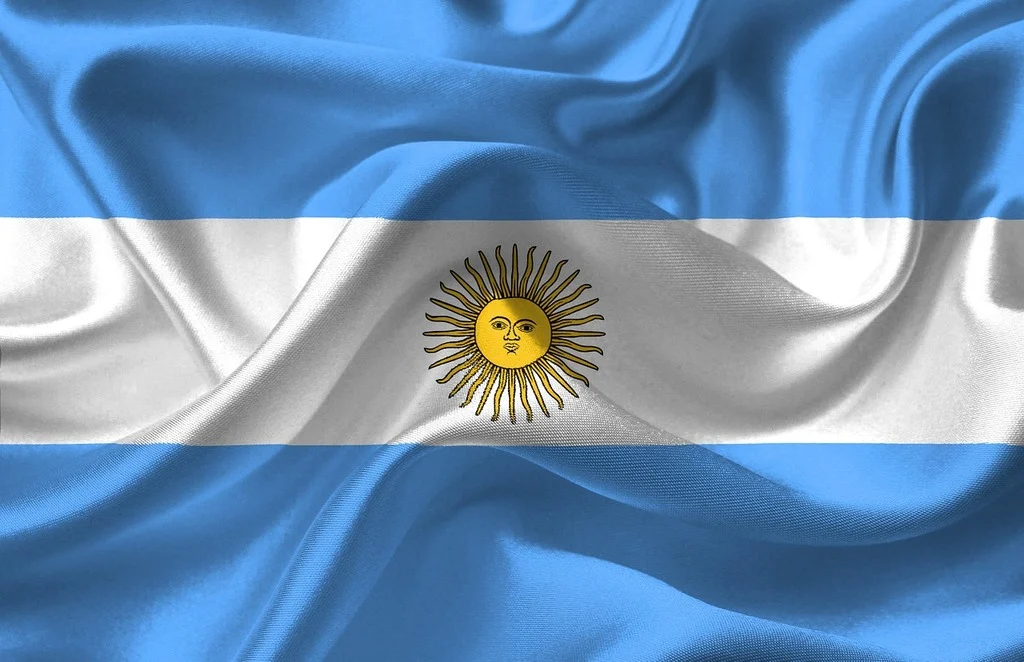
Meaning:
- In pale blue and white: inspiration through cockades used at some stage in the May Revolution (1810); possible sky, clouds, or Río de la Plata (“Silver River”).
- Mai Sun: Represents the sun breaking through the clouds on May 25, 1810, symbolizing freedom and the influence of Inti, the Inca sun god.
Flag Day: June 20 (the anniversary of Belgrano’s death). A model mounted from the sole is used for some honest purposes.
Argentine history – from colonization to modern democracy
The history of Argentina includes the indigenous peoples (Diaguita, Tehuelche, and Guarani), the arrival of the Spaniards in the 16th century, and the establishment of the Viceroyalty of Río de la Plata in 1776.

Key Milestones:
- 1516-1580: European Exploration; Founded in Buenos Aires.
- 1810 (May Revolution): The independence movement begins.
- 1816 (July 9): Independence is formally declared in Tucuman. José de San Martín is leading the expeditions.
- 19th century: Civil war between Unionists (centrists) and Allies; organization under the 1853 Constitution.
- 1880-1916: “Golden Age”—large European immigration, financial growth (beef, wheat exports). Population growth.
- Perón Era (1946-1955): Juan Perón and Eva “Evita” Perón introduce populism and exercise authority; contested legacies.
- 1976-1983: Military dictatorship and “dirty war” – disappeared into obscurity.
- 1982: The Falklands War with Britain (Malvin War).
- 1983-Present: Return to Democracy; monetary challenges; the recent reforms under President Javier Milei.
Discuss indigenous contributions, waves of immigration (Italian, Spanish, etc.), and cultural influences. Link to external timeline sources.
Argentina’s population: demographics and trends
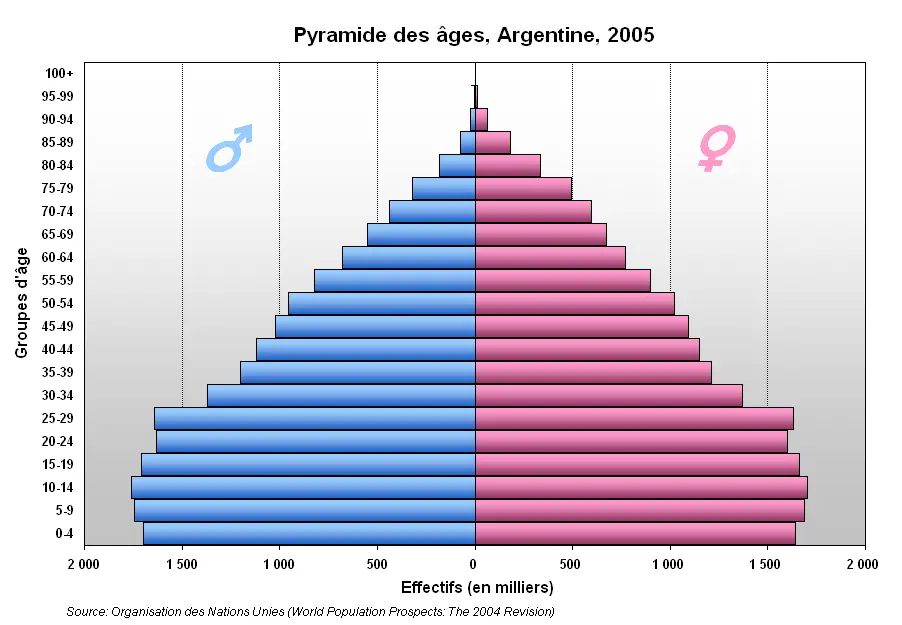
In 2026, Argentina will have about 46 million inhabitants and will be considered the third most populous country in Latin America (after Brazil and Colombia). This represents almost zero. 55% of the world population, with an average age of about 33-34 years and highly urbanized (~96.5%).
Demographic characteristics:
- Growth Rate: ~0.3% annually (decline due to low fertility ~1.1%).
- Urban population: Over 44 million in cities, led by Greater Buenos Aires (Metro ~15 million).
- Ethnic composition: Mainly European descendants (Italian and Spanish), mestizos, aboriginals, and current immigrant communities.
- Density: Low ~17 people/km², concentrated in the Pampas and leading cities.
- Challenges and facts: aging population, migration patterns, impact of economic fluctuations. Main cities: Buenos Aires, Córdoba, Rosario, Mendoza.
Argentine language – Spanish with distinctive flavor
The authentic Argentinian language is Spanish, specifically Rioplatense Spanish (español rioplatense), spoken mostly in Argentina at some level and shared with Uruguay, serving as unique characteristics created through Italian immigration and local development.
Key Features:
- Voseo: Use of “vos” as opposed to “you” for informal “you,” with special verb connections (e.g., “vos sos” vs. “you are”).
- Pronunciation (seeo and yeismo): “ll” and “y” are often adapted as “sh” or “zh” (e.g., “calle” as in “ca-hon”); “s,” “c,” and “z” are all like /s/.
- Lunfardo: Excited slang resources using Italian, Portuguese, and African roots (e.g., “pibe” for boy/man and “laburar” for pictures).
- Other languages: indigenous languages of specific regions (Guarani, Quechua, and Mapudungun); immigrant languages such as Italian dominate historically. Comprehensive understanding of English in tourism.
- Practical Tips: Learning the basics of voseo will make it easier for you to join the holiday in a deeper way. Media (tango songs and movies) show accessories.
Culture, Economy, and Modern Argentina
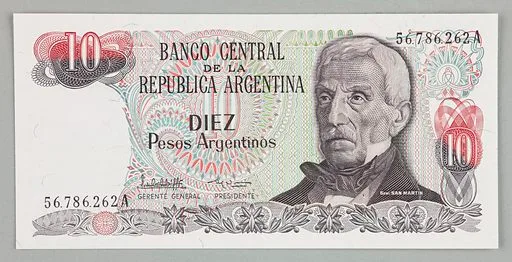
Briefly mention cow tango; football (Messi, Maradona); mate tea; asado food; winemaking; today’s financial system (agriculture, lithium, tourism opportunities); and the 2025-2026 projection for the growth of medicine.
Conclusion:
Argentina wonderfully and perfectly weaves its history, diverse map and landscape, iconic flag, dynamic population, and expressive language into a compelling national identity. From struggles for independence waged through San Martin and Belgrano to its work as a cultural powerhouse in Latin America, America is adapting while honoring its roots.
Whether you’re interested in the adventures of Patagonia, the nightlife of Buenos Aires, or the vineyards of the Andes, Argentina offers unforgettable experiences. What is it about Argentina that fascinates you the most—the history, the landscape, or the colorful culture? Share your thoughts in the comments below, and rate this guide with other vacationers. Check out our related articles on [Patagonia Travel] or [Argentinian Spanish Phrases]. Plan your trip these days and find out why this incredible country leaves a lasting impression.
FAQ Section
1. What is the population of Argentina in 2026?
Approximately 46 million people, heavy urbanization, and a slowly developing but aging demographic.
2. What does the corn sun on the Argentine flag represent?
It is a sun symbol that sees through the clouds all the way back to May 25, 1810, the Revolution, and represents the will to freedom. Additionally, the Incas draw because of their solar symbolism.
3. What language do they communicate in Argentina?
Spanish (Rioplatense variety), characterized by “voseo” and the unique “sh” pronunciation of “ll/y.”
4. When did Argentina benefit from independence?
Independence was declared on 9 July 1816, although the May Revolution of 1810 was the beginning of the revolt against Spanish rule.
About The Author